5 Early Signs of Hearing Loss You Shouldn’t Ignore
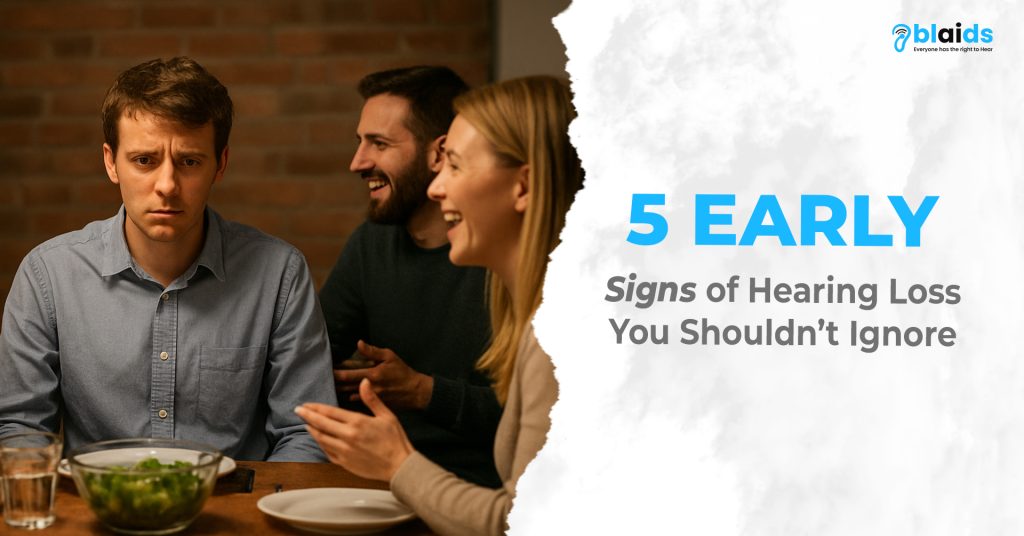
Hearing loss can be subtle. Unlike sudden hearing damage caused by loud noise or injury, most people experience gradual hearing loss over time—often without realizing it. According to the FDA and hearing health experts at sites like HearUSA and Soundly, early detection is crucial for long-term hearing health and quality of life.
At Blaids.com, we empower individuals with innovative, comfortable, and discreet hearing aids designed to enhance sound clarity and improve day-to-day communication. But first—let’s help you identify if you’re seeing the early signs of hearing loss.
1. Frequently Asking People to Repeat Themselves
If you constantly find yourself saying, “What did you say?” or asking friends and family to repeat things—especially in noisy environments—it might be more than just distraction. This is one of the most common early signs of sensorineural hearing loss, which affects the inner ear or auditory nerve.
💡 Pro Tip: If you notice this pattern happening in different places (work, home, restaurants), consider scheduling a hearing test.
2. Turning Up the Volume—Too Much
Are your family members complaining that the TV is too loud? Or do you find yourself cranking up the volume on your phone or headphones? A consistent need for increased volume can signal a decline in your ability to perceive sound frequencies, particularly higher pitches.
📺 Studies from Elehear and Audien Hearing suggest that increasing volume isn’t always the solution—it may actually worsen hearing fatigue over time.
3. Difficulty Hearing in Group Conversations
In group settings or noisy environments, hearing loss becomes more noticeable. If you’re struggling to follow along, especially when multiple people are speaking or there’s background noise, this could be an early indication of high-frequency hearing loss.
👂 This type of loss makes it difficult to distinguish consonants like S, F, Th, and K—making speech sound muffled or unclear.
4. Ringing or Buzzing in the Ears (Tinnitus)
Tinnitus—a ringing, buzzing, or hissing sound in the ears—is often an early warning sign of hearing damage. While it can be temporary (after exposure to loud music or machinery), persistent tinnitus may signal underlying hearing issues.
🔍 According to Blaids Hearing, over 80% of tinnitus sufferers also experience some form of hearing loss.
5. Avoiding Social Situations
One of the lesser-known signs of hearing loss is social withdrawal. If you’ve started avoiding phone calls, conversations, or public gatherings because listening feels tiring or frustrating, hearing loss could be to blame.
😔 Social isolation can significantly impact mental health and cognitive function, making it important to act early.
Why Early Detection Matters
Untreated hearing loss has been linked to cognitive decline, depression, and reduced quality of life. The FDA and leading hearing care providers emphasize the benefits of acting before symptoms become more severe.
Early intervention not only helps preserve your hearing—it ensures that you’re living fully, confidently, and connected.
Explore Advanced Hearing Aid Solutions at Blaids.com
At Blaids, we specialize in hearing aid technology designed for real-life needs:
✅ Discreet & Comfortable Design – Fits snugly without being noticeable
✅ Noise Reduction & Sound Clarity – Cuts through background noise effortlessly
✅ Rechargeable & Long Battery Life – Reliable performance that keeps up with your day
✅ Affordable Options – Premium quality without breaking the bank
Whether you’re experiencing mild or moderate hearing loss, our hearing aids are tailored to support your lifestyle—so you never miss a moment.
Final Thoughts
If you or someone you love is experiencing any of these early signs of hearing loss, don’t wait. Schedule a hearing test with a certified audiologist and explore hearing aid options that can make a world of difference.
Remember, hearing well means living well—and Blaids is here to support you every step of the way.
FAQs
Q: Are hearing aids only for older adults?
No! Hearing loss can affect people of all ages. Blaids offers sleek, modern hearing aids suitable for younger adults as well.
Q: Can hearing loss be reversed?
While most types of hearing loss are permanent, using hearing aids can significantly improve hearing function and communication.
Q: How do I know which hearing aid is right for me?
Visit blaids.com to compare features and find the perfect fit for your lifestyle and level of hearing loss.