Hearing Loss in the Music Industry: How Performers Protect Their Ears
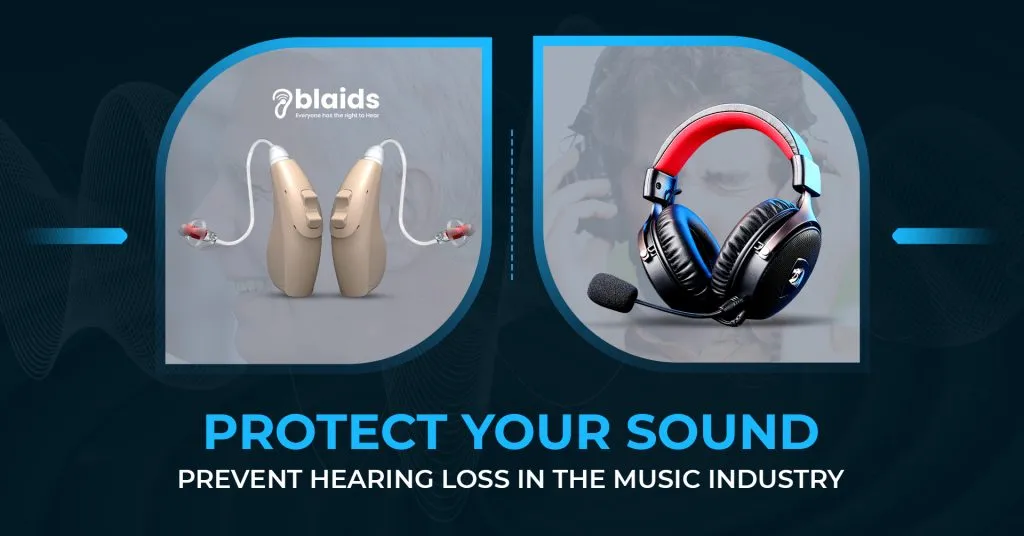
Let’s face it—music is powerful. It moves us, heals us, connects us. But for musicians, DJs, and sound engineers—the ones creating those magical beats—there’s a silent threat lurking behind the scenes: hearing loss.
It’s ironic, isn’t it? The very thing they love most—their art—can damage the very sense that brings it to life. Whether it’s the pounding bass in a nightclub, the crash of cymbals during a live set, or the constant exposure to sound checks and rehearsals, excessive noise exposure is one of the leading causes of noise-induced hearing loss (NIHL) in the music industry.
So, what can performers do to protect their ears without sacrificing sound quality?
This blog dives into how musicians, DJs, and audio engineers are preserving their hearing without hitting mute on their careers—and how advanced solutions like the hearing aids available at blaids.com are stepping in to help those already facing hearing challenges.
🎵 The Reality of Hearing Loss in Music
Many artists wait too long before realizing the damage is done.
Famous cases? Chris Martin of Coldplay, Eric Clapton, Ozzy Osbourne, and even Beethoven (yes, the classical genius went deaf). Tinnitus and gradual hearing loss are no strangers in music circles.
The Occupational Safety and Health Administration (OSHA) recommends a limit of 90 decibels for an 8-hour workday. But a typical live concert? That can reach anywhere from 100 to 120 decibels. Even 15 minutes of exposure at those levels without protection can cause permanent damage.
Common Symptoms Performers Face:
- Ringing in the ears (Tinnitus)
- Difficulty hearing high-pitched tones
- Needing to increase headphone or monitor volume
- Muffled sounds during or after gigs
🛡️ The First Line of Defense: Hearing Protection Gear
Thankfully, protecting your hearing doesn’t mean compromising your art. Today’s tech has made ear protection smarter, sleeker, and sound-friendly.
🎧 1. High-Fidelity Earplugs
Forget those bulky orange foam plugs from the drugstore. Musicians now use high-fidelity earplugs that:
- Lower volume evenly across frequencies
- Maintain sound clarity
- Are reusable and comfortable
Brands like Etymotic Research or Loop Earplugs have become a staple for musicians wanting to lower decibels without dulling the music.
🔊 2. In-Ear Monitors (IEMs)
Arguably the most popular solution today. In-ear monitors let performers control their audio mix directly into their ears—meaning less reliance on loud stage monitors and better hearing safety.
Pros:
- Custom sound mix
- Noise isolation from the crowd
- Volume control in your hands
Top-tier sound engineers and vocalists now swear by custom-fit IEMs that mold to their ears.
🎚️ Engineers & DJs: The Unsung Guardians
While musicians often steal the spotlight, sound engineers and DJs are constantly surrounded by sonic bombardment—from long rehearsals to after-parties.
Many engineers adopt:
- Noise-reducing headphones
- Decibel-meter apps to monitor venue sound levels
- Ear rest protocols: taking breaks to reduce fatigue
DJs, especially in clubs with little acoustic control, are advised to use IEMs or custom DJ earplugs. You can’t feel the beat if your ears are fried.
🧠 But What If It’s Too Late? Meet Blaids.com’s Hearing Aid Tech
If you’re a performer and already experiencing hearing difficulty—it’s not the end of your career. In fact, it might be the beginning of a new chapter. Enter: blaids.com.
Our hearing aids aren’t your grandma’s beige buds. They’re sleek, smart, and tailored for real-world performers and active lifestyles.
🎶 Why Choose Blaids Hearing Aids?
- Clear Speech Recognition: Even in noisy environments like clubs or recording studios
- Bluetooth Connectivity: Stream music or audio directly from your phone or audio board
- Rechargeable Batteries: No more scrambling for tiny cells before a gig
- Discreet Design: Looks that won’t steal your spotlight
At Blaids, we understand the emotional and practical challenges of hearing loss, especially when your ears are your career. That’s why we focus on enhanced sound quality, noise reduction tech, and lifestyle support.
Who Can Benefit?
- Music teachers struggling to catch student cues
- Vocalists missing high notes during harmony
- DJs struggling with mix transitions
- Sound engineers hearing inconsistencies post-mix
🔍 Tips to Protect Your Ears—Starting Today
Whether you’re deep into your music career or just jamming in your garage band, here’s what you can do now:
- Get Your Hearing Tested Annually
- Many musicians skip this step until it’s too late. Schedule a hearing test and monitor changes over time.
- Many musicians skip this step until it’s too late. Schedule a hearing test and monitor changes over time.
- Invest in Quality Earplugs or IEMs
- Think of it as gear, just like your instrument or controller.
- Think of it as gear, just like your instrument or controller.
- Avoid Cranking Volume During Practice
- It’s tempting to “feel” the music—but your ears feel the damage too.
- It’s tempting to “feel” the music—but your ears feel the damage too.
- Take Listening Breaks
- Let your ears rest. The quiet can be therapeutic.
- Let your ears rest. The quiet can be therapeutic.
- Be Aware of Red Flags
- Ringing, muffled sounds, or distortion? Don’t brush it off.
🎤 Real Talk: You’re Not Alone
Hearing loss in the music world is more common than we admit. And there’s still stigma—many performers worry it’ll end their career.
But with education, protection, and the right tech, you can keep playing, mixing, or spinning for decades.
At blaids.com, we’re passionate about supporting those who bring music to life. Whether you need protective insights or discreet, powerful hearing aids—we’re here for your journey.
🛍️ Final Note: Blaids.com Is Built for People Like You
If you’ve ever said:
- “I need something discreet but powerful.”
- “I can’t afford to miss a cue or mess up a mix.”
- “My hearing isn’t what it used to be, but I’m not done yet.”
Then Blaids is for you.
Visit blaids.com and explore hearing aids that blend performance, style, and smart features—built with artists and professionals in mind.
Because the world needs your sound. Don’t let silence take the stage.
📢 Share This With a Musician You Love
Know someone who plays loud and listens louder? Share this post and help them protect their gift.
And hey—if you’ve got a hearing loss story to tell or want to learn more about protective tech, drop us a comment or DM. We’re listening. 😉