Is It Hearing Loss or Just Wax? What Most People Get Wrong
Before we dive deeper, here’s a quick snapshot of what you’ll learn in this blog. Whether you’re dealing with sudden hearing changes or just curious about what’s going on in your ears, these key points will help you understand the difference between simple blockages and more serious hearing issues.
Earwax vs. Hearing Loss – What’s the Difference?
Signs It’s Just Earwax
Red Flags of Actual Hearing Loss
Could It Be an Ear Infection?
When to Get a Hearing Test
How Blaids Hearing Aids Can Help
Final Thoughts – Don’t Ignore the Signs
“Wait, What Did You Say?” — We've All Been There.
Ever found yourself constantly asking people to repeat themselves? Or maybe you’ve been noticing the TV volume creeping up a few notches lately. The natural assumption might be: Am I losing my hearing? But hold on—before you panic or book a specialist, let’s ask a more basic question first:
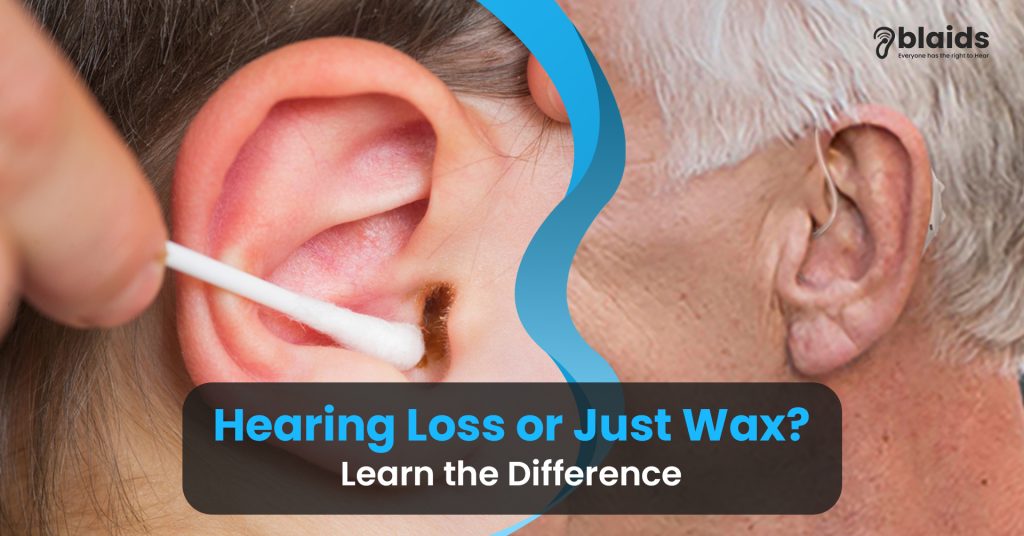
Is it hearing loss… or just wax?
Yup, that stuff your ears produce (whether you like it or not) could be messing with your hearing. But here’s where it gets tricky—earwax, infections, and genuine hearing loss can all feel pretty similar. And most people confuse them all the time.
Let’s break down what’s happening in your ears, what signs to look for, and when it’s time to get help—maybe even from smart hearing aid tech like what’s offered on Blaids.com.
The Confusion: Why Earwax Gets Blamed (or Ignored)
Earwax (medically known as cerumen) is actually a good thing. It protects the inner workings of your ear from dust, bacteria, and moisture. But sometimes it builds up—especially if you use earphones often, have smaller or oddly shaped ear canals, or use cotton swabs that push it deeper.
Here’s where the confusion begins. A wax blockage can cause:
- Muffled hearing
- A feeling of fullness in the ear
- Ringing (yes, even tinnitus-like sounds)
- Temporary hearing dips
- Mild earaches
Now here’s the kicker—those symptoms mimic early hearing loss or even an ear infection.
Signs It’s Just Wax (But Still Needs Attention)
- You feel pressure or fullness, but no pain or fever
- Sound is muffled, not distorted
- Hearing returns after a warm shower or eardrop use
- You use earbuds/headphones regularly
- You’re under 50 with no hearing issues in the past
If this sounds like you, there’s a good chance wax is the culprit. No need to be embarrassed—it’s super common. According to the FDA, earwax buildup affects 1 in 10 children and 1 in 20 adults.
But—and it’s a big but—never attempt to dig it out yourself with cotton swabs or sharp tools. You might push the wax further in or cause damage.
Instead, use doctor-approved solutions or consult a hearing care specialist for a proper cleaning.
When It’s More Than Wax: Red Flags for Real Hearing Loss
If your hearing doesn’t bounce back after clearing wax—or there’s no wax at all—it may be something more serious.
Here are signs it’s likely hearing loss:
🔸 You struggle to hear consonants (like “s” or “t”)
🔸 You find it hard to follow conversations in noisy places
🔸 People often sound like they’re mumbling
🔸 You experience sudden or one-sided hearing loss
🔸 There’s ringing (tinnitus) that won’t stop
🔸 Your hearing issue has lasted more than a week
These are red flags that point to sensorineural hearing loss—damage to the inner ear or auditory nerve, which is usually permanent.
What About Infections?
Great question. Ear infections, especially in kids, can mess with hearing temporarily. You might notice:
- Pain or pressure
- Fever
- Discharge from the ear
- Swollen lymph nodes
Infections need quick medical attention—not hearing aids—but they’re part of the confusion, too. Sometimes infections cause swelling that feels like a blockage or mimics hearing loss.
Testing Time: How to Know for Sure
Honestly, it’s hard to self-diagnose ear issues. The safest path? Get your hearing tested. Period.
Many hearing problems (including mild to moderate loss) go undetected for years because people assume it’s just wax or “getting older.” By the time they act, the brain’s ability to process sound may have already declined.
That’s where free hearing consultations and early screening options come in handy.
Modern Hearing Aids That Do More Than Amplify
If your hearing test confirms loss, don’t panic. Today’s hearing aids are a world away from those chunky devices you might remember from your grandparents.
Blaids.com offers discreet, rechargeable, and tech-forward hearing aids that can help:
- Automatically adjust to different environments
- Reduce background noise
- Improve speech clarity
- Connect with your smartphone
- Stay comfortable and virtually invisible
Whether you need Receiver-in-Canal (RIC) models or Behind-the-Ear (BTE) styles, Blaids is helping thousands hear better—with technology that works with your lifestyle, not against it.
Let’s Be Real: There’s No Shame in Getting Help
Hearing isn’t just about sound—it’s about connection. With people. With the world. With your own inner peace.
And if it’s just wax? Cool—you’re good.
If it’s something more? That’s okay too. The good news is, hearing solutions exist.
And remember: It’s not about age. It’s about health.
You wouldn’t ignore blurry vision, right? Don’t ignore muffled hearing.
Final Thoughts: Don’t Wait to Find Out
So, next time you’re wondering, Is it hearing loss or just wax? — take a minute to listen to your ears. Then act.
Start with the basics:
✅ Try a safe wax removal option
✅ Rule out infections with a doctor
✅ Book a free hearing test if symptoms linger
If hearing aids are needed, Blaids.com is ready to support you with easy-to-use, modern hearing solutions that can change the way you hear—and live.
🦻Your ears are talking. Listen.
Don’t wait until the world goes quiet.