Surprising Early Signs of Hearing Loss You Might Be Ignoring
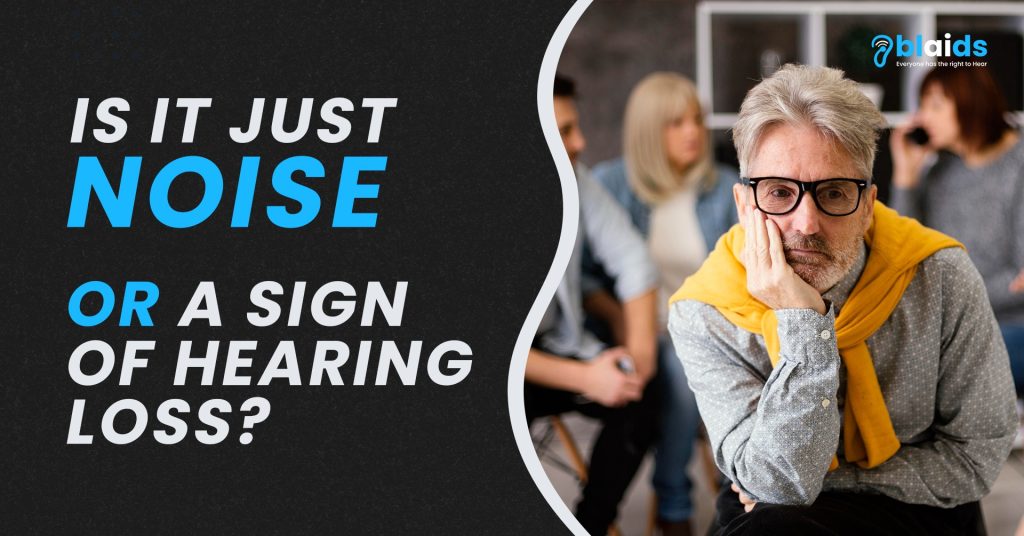
Before you assume your hearing is “just fine,” take a closer look. Hearing loss doesn’t always shout—it whispers. Most people miss the early signs because they’re subtle, often mistaken for tiredness, distraction, or just a noisy environment. But recognizing these early indicators could be the key to preventing long-term damage and improving your daily life.
Here are some surprising early signs of hearing loss that you shouldn’t ignore:
- Trouble Hearing in Noisy Environments
- Ringing or Buzzing in Your Ears (Tinnitus)
- Turning Up the Volume Without Noticing
- Difficulty Understanding Phone Conversations
- Frequently Mishearing Words or Phrases
- Mental Fatigue After Social Interactions
- Avoiding Conversations or Social Situations
- Why Early Detection of Hearing Loss Matters
- How Blaids.com Hearing Aids Can Help
- What You Can Do Starting Today
When we think of hearing loss, most of us picture an elderly person constantly saying, “What?” or turning up the TV too loud. But the truth is, hearing loss often begins much earlier and more subtly than we expect—and it’s not always about volume. The early warning signs can be surprisingly sneaky and easy to brush off.
If you’ve ever walked away from a conversation unsure if you missed something… you’re not alone. It’s time we talk about the quiet clues your ears might be giving you. Because catching hearing loss early isn’t just about hearing better—it’s about living better.
1. You Keep Saying “Huh?” but Only in Crowded Places
Struggling to hear people in noisy environments—like restaurants, airports, or family gatherings—is often one of the first signs of hearing loss. It’s not that people aren’t speaking loudly enough. It’s that your ears are having a hard time separating speech from background noise.
This specific difficulty is called “speech-in-noise” hearing loss, and it’s extremely common in the early stages.
👂 Pro tip: If you find yourself nodding along in noisy rooms without really understanding what’s being said, your hearing could be fading.
2. Ringing in Your Ears (Tinnitus) That You Just Ignore
That persistent ringing, buzzing, or humming in your ears isn’t just “one of those things.” It could be tinnitus, a condition often tied to early hearing damage.
According to the FDA, tinnitus is one of the most frequently reported symptoms related to hearing loss—and many people experience it before they notice any actual loss in hearing clarity.
💡 Reality check: You don’t have to “live with it.” Early intervention and hearing aids like those from Blaids.com can reduce tinnitus perception and improve your overall quality of life.
3. You're Turning Up the Volume—More Than You Realize
Maybe your TV volume’s creeping higher each week. Or your partner complains the volume is too loud, but to you, it sounds just right. This could be an indicator that your ears are working harder to catch sounds, especially softer speech or high-pitched voices (like children or women).
📺 What to look out for: Volume settings becoming a source of tension in the home—or people constantly asking you to turn things down.
4. Phone Calls Are Getting Harder to Follow
If you’ve started avoiding phone calls because you can’t quite catch what the other person is saying, that’s a red flag. Phones remove visual cues like lip-reading and facial expressions that many people rely on without realizing it.
So, when hearing begins to decline, phone conversations can become frustratingly difficult.
📱 Friendly tip: Don’t chalk this up to “bad reception” every time. Consider getting your hearing tested.
5. You Mishear Words (And Sometimes It’s Funny, Sometimes It’s Not)
If you’ve laughed at the wrong time in a conversation—or responded inappropriately because you heard “ice cream” instead of “I scream”—you might be dealing with auditory distortion.
Your brain is working overtime to fill in the gaps, and occasionally, it gets things hilariously wrong.
🎧 Why it matters: These miscommunications can create embarrassment, confusion, or even distance in relationships.
6. You’re Mentally Exhausted After Social Gatherings
Listening shouldn’t be exhausting—but when your hearing isn’t sharp, your brain compensates by working harder to make sense of sounds. This can leave you feeling drained after meetings, parties, or group settings.
🧠 This is called “listening fatigue,” and it’s real. The effort it takes to stay tuned in can take a toll on your mental and emotional well-being.
7. You Start Avoiding Conversations or Social Events
Over time, struggling to hear clearly can make people withdraw from social situations altogether. You might feel anxious about not catching everything—or embarrassed when you need people to repeat themselves often.
👥 Here’s the thing: Hearing loss doesn’t just affect your ears. It impacts your confidence, your relationships, and your joy. And it’s absolutely okay to seek help.
Why Early Detection Matters
Ignoring early signs of hearing loss can lead to long-term consequences—not just for your hearing health but for your cognitive function, mental well-being, and quality of life. According to Audiologists, untreated hearing loss has been linked to memory decline, depression, and even higher fall risks.
But here’s the good news: You don’t have to wait until it gets “bad enough.”
The Blaids.com Difference: Hearing Aids That Evolve with You
If any of these signs feel familiar, know that you’re not alone—and that help is available. Blaids.com offers hearing aid solutions that are:
- Rechargeable and Discreet: No more fiddling with batteries. Sleek, barely-there designs fit right into your lifestyle.
- Technology-Enhanced: With features like adaptive background noise reduction, directional microphones, and Bluetooth streaming.
- Tailored for You: Whether you’re tech-savvy or tech-shy, Blaids’ product range is built to match different comfort levels and hearing needs.
Plus, Blaids is all about making hearing care more human—with customer support that listens, solutions that fit real life, and affordable prices that don’t break the bank.
What You Can Do Right Now
🎯 Take the first step: If you’re noticing any of these early signs, schedule a hearing check-up. Don’t second-guess yourself.
🎧 Explore your options: Visit Blaids.com and browse rechargeable, easy-to-use hearing aids designed to meet you where you are.
💬 Talk to your loved ones: They may have noticed things too—and can support you in your hearing journey.
Final Thoughts: Don’t Wait Until It’s “Too Late”
The biggest mistake people make with hearing loss? Waiting.
Waiting for it to get worse. Waiting until they miss too much. Waiting until it affects their job, their relationships, or their peace of mind.
The sooner you notice and respond to the subtle signs, the more power you have to protect your hearing and preserve your quality of life.
Because better hearing isn’t just about ears—it’s about connection, clarity, and confidence.
And you deserve all of that.
Looking to take charge of your hearing health?
💙 Visit Blaids.com for affordable, high-tech, and easy-to-use hearing aids trusted by thousands.