Struggling to Hear Clearly Can Make People Withdraw from Social Situations Altogether
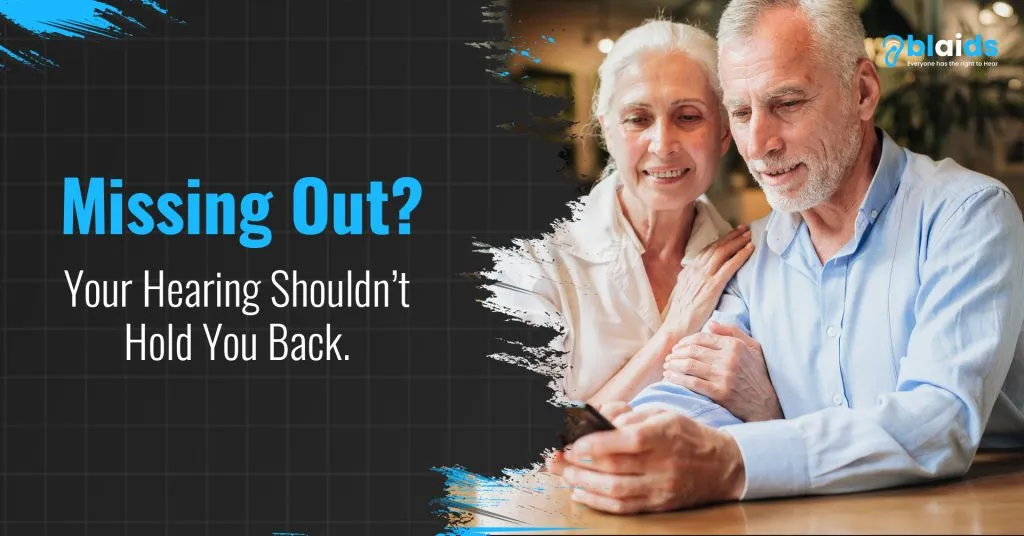
Let’s talk about something most people don’t openly admit – when hearing becomes a challenge, it’s not just sounds that fade. Friendships, confidence, and daily joy often take a hit too. Below, we explore:
- Why struggling to hear often leads to social withdrawal
- Early warning signs you’re isolating yourself unknowingly
- Emotional effects of untreated hearing loss
- Personal stories and what they teach us
- How modern hearing aids (like Blaids.com) can help
- Tips to stay socially connected even with hearing difficulties
- Why it’s never too late to reclaim your social life
The Sound of Silence: When Hearing Loss Steals More Than Just Volume
You’re in a room full of laughter. The punchline just dropped, everyone’s cracking up… but you missed it. Again. And rather than ask someone to repeat themselves for the fourth time, you just smile and nod — hoping no one notices.
Sound familiar?
Hearing loss is often brushed aside as a “minor inconvenience,” especially in its early stages. But in truth, it’s a deeply emotional journey for many. When hearing clearly becomes a challenge, people often begin withdrawing from social situations altogether — and not because they want to. It’s because staying in can feel less exhausting than struggling to keep up.
Let’s unpack this quiet crisis that too often goes unnoticed.
Why Hearing Loss Leads to Social Withdrawal
It starts subtly. Maybe you keep mishearing names in a crowded space, or background noise makes conversations feel like a blur. Over time, this constant effort to “decode” speech can leave you mentally drained.
Eventually, it’s easier to avoid the noise (and the potential embarrassment) altogether.
Studies show that people with untreated hearing loss are more likely to limit social interaction, experience loneliness, and even battle depression. The isolation isn’t a choice – it’s often a coping mechanism.
As per a 2024 survey from HearUSA, nearly 7 out of 10 people with mild hearing loss avoid group settings or public outings where conversations are hard to follow.
Signs You Might Be Unknowingly Withdrawing
Hearing difficulties aren’t always loud and obvious. Here are a few signs that your social life might be impacted:
- You skip phone calls because they’re “too hard to hear”
- You prefer texting even when a call would be quicker
- You decline invites to noisy restaurants or gatherings
- You find yourself zoning out during conversations
- You fake reactions to keep up appearances
It’s not about being antisocial. It’s about survival – emotional survival.
The Emotional Toll of Staying Quiet
Hearing loss can make people feel left out – even when they’re physically present.
The constant need to ask “what did you say?” or the fear of responding inappropriately makes many people withdraw completely. Over time, this can erode confidence, increase anxiety, and lead to a vicious cycle of silence and solitude.
People often say they feel “less connected” – not just to loved ones but to life itself.
And let’s be real — it’s not just about hearing words. It’s about catching the tone, the laughter, the nuances. The human stuff.
Real Talk: “I Didn’t Realize I Was Missing So Much Until I Got Help”
We’ve heard this again and again in stories shared across platforms. People didn’t always notice how much they were missing — until they stopped missing it.
One user, Alan (52), shared,
“I started saying no to dinner plans. I didn’t even realize I was doing it to avoid the shame of not hearing properly. Getting my hearing tested and trying a device changed my life. I feel present again.”
That right there is what hearing solutions should be about — not just sound, but connection.
Meet Blaids.com: Modern Hearing Solutions that Just Get You
If you’ve been struggling but don’t want to deal with bulky, old-school devices or confusing setups — you’re not alone. That’s where Blaids.com steps in.
At Blaids, we believe hearing health isn’t about hiding your issue. It’s about owning it with smart tech and subtle, effective devices designed to fit into your life — not the other way around.
Why users love Blaids:
- Rechargeable & Bluetooth-enabled hearing aids
- Nearly invisible design for discretion
- Support to talk to audiologists without stepping out
- Easy trials, clear pricing, and no guilt-tripping
These aren’t your grandparent’s hearing aids. These are sleek, user-first solutions for a world that moves fast — and doesn’t wait for you to say “pardon me?”
Tips to Stay Connected, Even with Hearing Challenges
Even if you’re not ready for a hearing aid just yet, here are some ways to reduce that feeling of social isolation:
- Choose seating wisely – Sit where you can see people’s faces clearly
- Let close friends know – Honest convos prevent awkward moments
- Opt for smaller group meetups – Easier to manage
- Use assistive tech apps – Real-time transcription can help
- Take breaks – Socializing with hearing fatigue is real
- Explore telehealth audiology support – Like what Blaids offers
Remember, staying socially active is part of your overall health. Protect it like you would your physical wellbeing.
The Big Truth: It’s Never Too Late to Start Listening Again
Struggling with your hearing doesn’t mean your social life is over. But denying it, ignoring it, or feeling ashamed of it might keep you on the sidelines longer than necessary.
Whether you’re 28 or 88 — you deserve to hear laughter, conversation, and the little things that make life worth living. Don’t let silence steal that from you.
Check out Blaids.com and take the first step toward reconnecting. Whether you’re curious, cautious, or completely new to the idea of hearing support — we’re here. And we get it.